


Greffe osseuse - Fresno, CA
Bone Loss Causing Smile Problems? Get Minimally Invasive Bone Grafting Treatment

Painless Dental Treatments

Swift Same-Days Solution

Flexible Payment Options
Emergency Dental Care
Why Choose Haraz Dental for Bone Grafting?
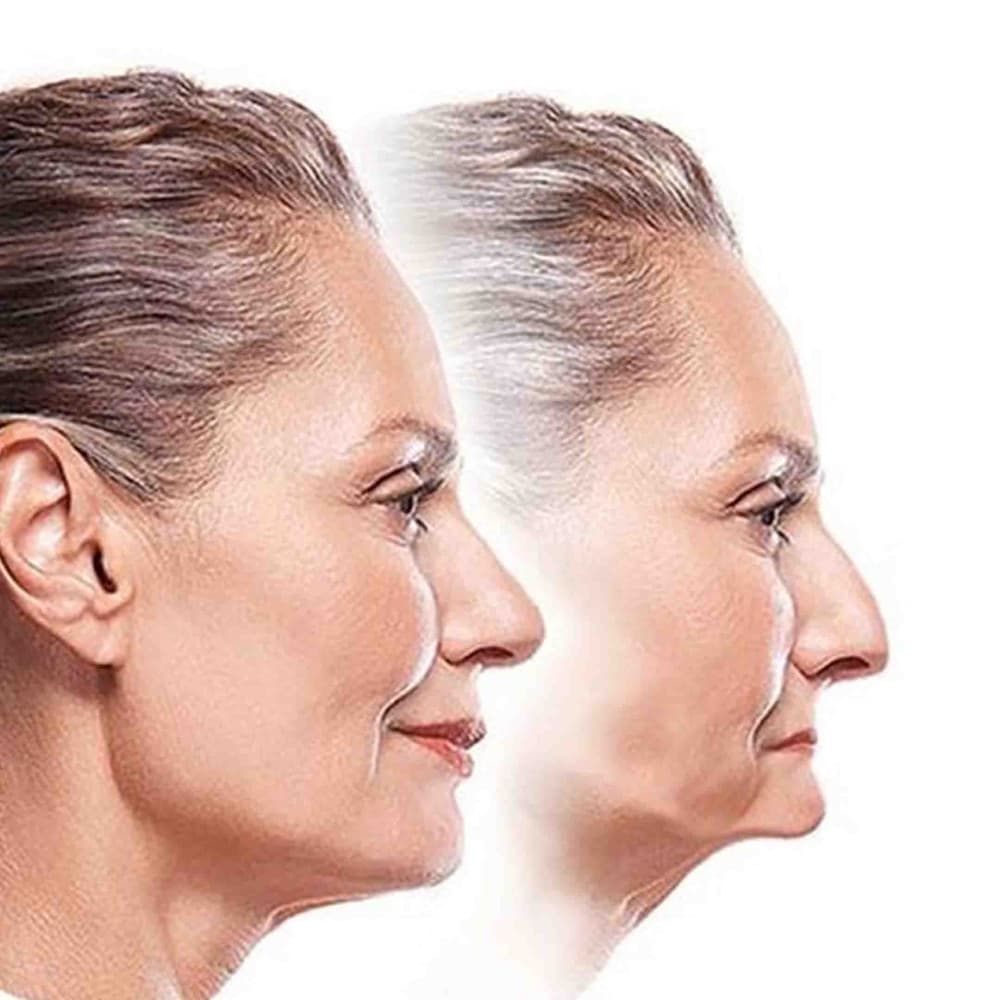
Are you worried about losing bone in your jaw or having lost teeth due to periodontal disease, tooth extraction, or trauma? That's when perio bone grafting is needed. At Haraz Dental, our specialized dental bone graft specialists utilize advanced techniques to rebuild and regenerate bone in your mouth to provide a solid foundation for dental implants and preserve the natural contours of your face. If you want dental implants but don't have enough bone, a bone graft for teeth is the best solution for you.
What is a Dental Bone Graft?
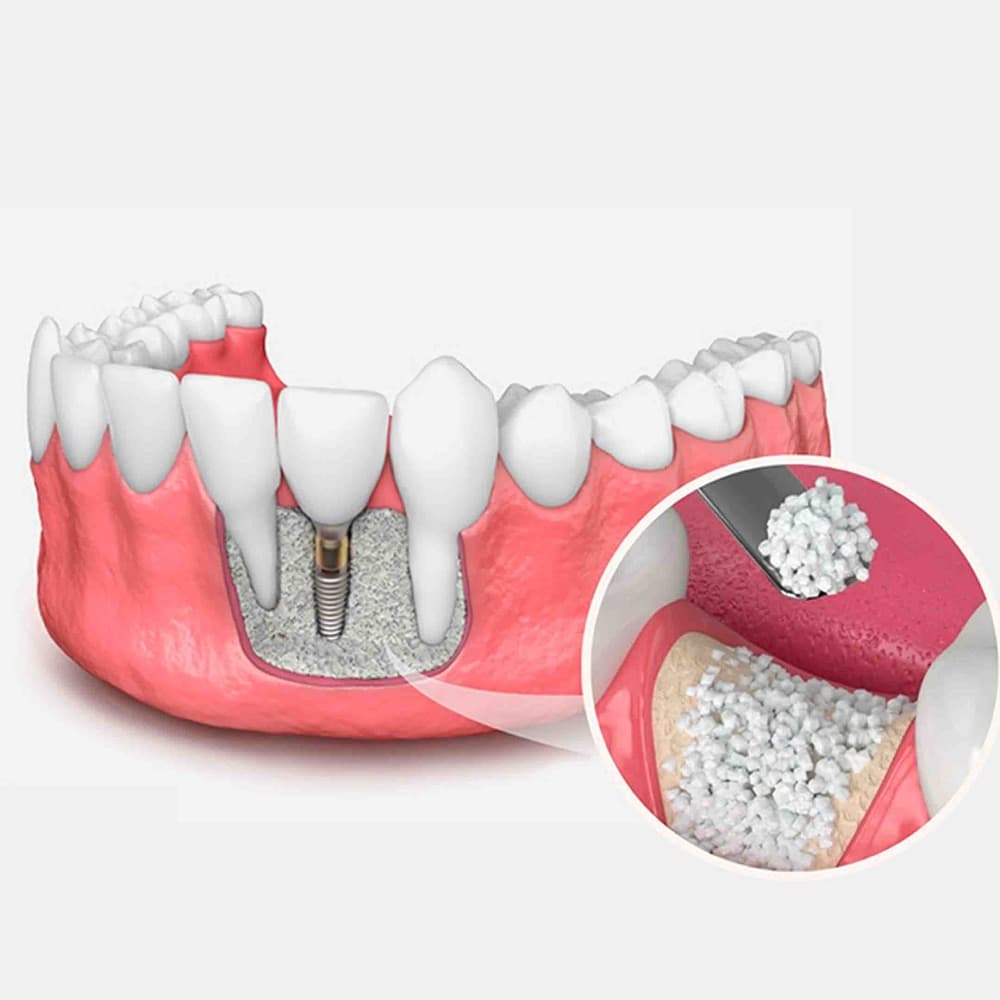
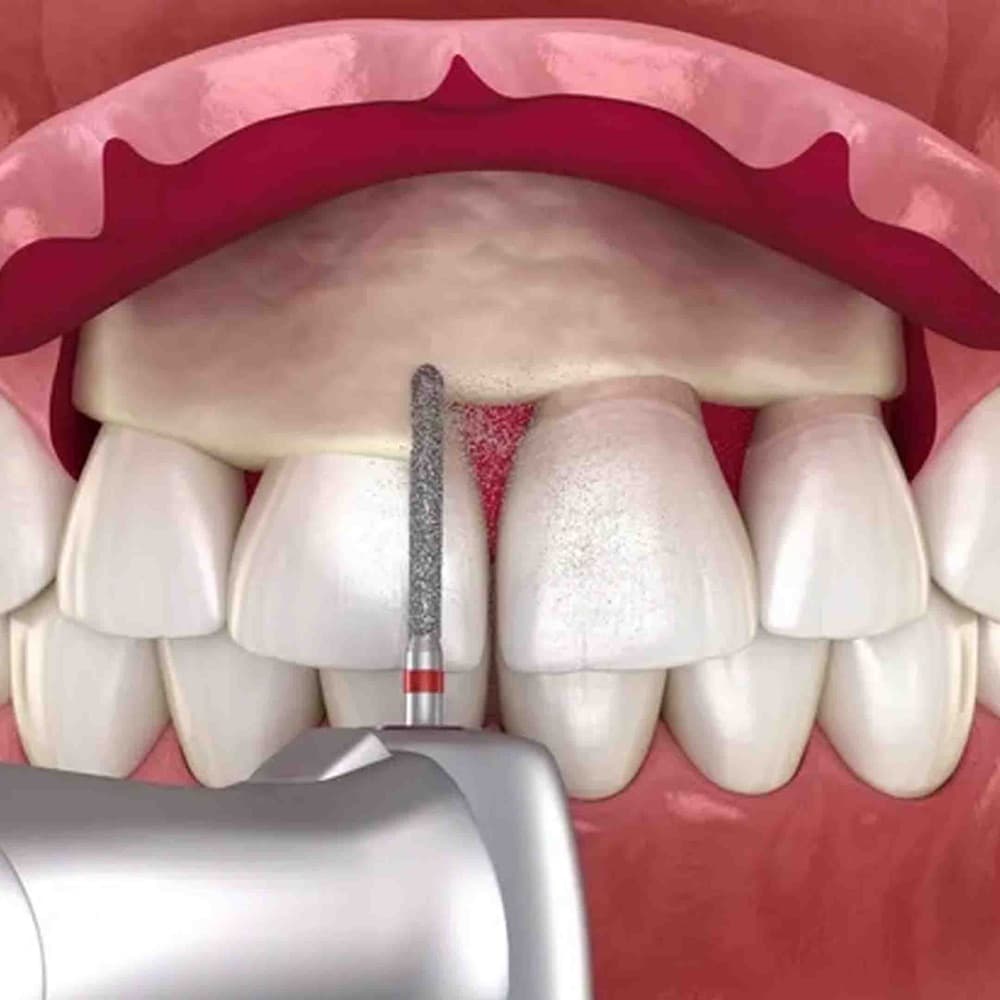
It is a dental surgical procedure in which bone material, either from the patient or a donor, is transplanted to a certain area to promote bone growth or repair.
Every gum disease can also lead to jawbone loss. Grafts can help rebuild bone lost due to gum disease and improve overall oral health. This technique is one of the most common techniques that is used in dentistry to expand the jawbone for dental implant placement, treat bone defects/faults, or increase the strength of other dental procedures.
The new bone serves as a scaffold, uplifting your body to grow more bone in that area, making things stronger, smoother, and better. It's like providing your jaw with a little pump to help it be more strong, well-built, and supportive.
Who can get the dental bone graft?
Several dental scenarios can make you a candidate for this treatment. Not everyone needs a teeth bone graft after a tooth extraction. Bone graft surgery is necessary or not after tooth removal, depending on several elements, such as the condition of the leftover bone, the location of the extracted tooth, and your future intentions.
Anyhow, anyone who needs extra support or improvement in their jaw can go for mouth bone grafting. It's frequently recommended for people who are planning to get dental implants if their jawbone isn't strong enough.
If you're facing any issue regarding your jaw bone due to past surgeries, it can help work it out better. After a tooth is taken out, the bone transplant can protect the jaw bone from getting weaker.
How long does bone grafting take time?
The whole procedure takes only 45 to 90 minutes to complete, but it also depends on its particular type. If it's from a donor or an animal (allograft or xenograft), it also takes a few hours. Using man-made materials (alloplastic graft) is a speedy process that is done in a few hours. After a tooth is taken out, a preservation socket graft takes somewhere between 30 minutes to an hour.
If you need a sinus lift for more bone in your upper jaw, it may take a few hours. But the healing process takes a few weeks to months. The total time depends on your health and following the surgeon's advice. Regular check-ups and following precautionary measurements help for a speedy recovery, like getting dental implants.
Dental Bone Graft Procedure:
The complete procedure for bone transplantation revolves around the following steps:
Consultation:
You should have a consultation or discussion with your oral surgeon before beginning any procedure. They will examine your dental health, discuss your appropriate needs, and determine if this surgery is necessary.
Preparation:
To assess the present state of your jawbone, your dentist will take a scan or do other imaging tests prior to the treatment. This helps in planning and performing the grafting process.
Anesthetic:
To ensure your comfort and pain-free experience throughout the entire operation, you will be administered either local or general anesthetic at the time of the treatment. The type of anesthesia depends on the complication of the graft.
Graft Placement:
The chosen graft material, whether autograft (your bone), allograft (donor or synthetic bone), xenograft (animal bone), or alloplastic (man-made(synthetic)material), is carefully injected at the required place. The graft helps as a scaffold for new bone growth.
Closure:
Once the grafting is done, the surgical place is closed with stitches. In some cases, a membrane may be used to cover the graft and prevent it during the early healing stages.
Assessment for Further Procedures:
Once the graft has successfully integrated and the jawbone is properly prepared, further dental procedures, such as dental implant placement, may be examined based on your treatment plan.' expandpara6='Throughout the whole process, clear consultation with your oral surgeon and attending follow-up appointments are important for successful results. The complete process aims to increase bone structure and give a solid foundation to improve dental health.
Throughout the whole process, clear consultation with your oral surgeon and attending follow-up appointments are important for successful results. The complete process aims to increase bone structure and give a solid foundation to improve dental health.

How much does bone grafting typically cost?
The type of graft utilized, the extent and difficulty of the grafting process, the location of the periodontist bone graft or medical practice, and any further treatments required can all affect the cost.Dentist fees and the cost of living can vary depending on your location.
Procedures might be more expensive in metropolitan areas compared to rural areas. It might cost $200 to $1,200 or more per graft location on average. The type of bone transplant material (autograft, allograft, or xenograft), the requirement for membrane barriers or growth elements, and whether sedation or anesthesia is needed during the procedure are all components that can affect the cost.
It's compulsory to talk properly with a healthcare provider to find out the appropriate cost of the treatment given your certain requirements and situation.
Bone Graft for Dental Implant Risks:
After the bone crafting surgery, you may face various complication (just a few times), which are mentioned below;
- Swelling and Bruising
- Infection
- Pain or Discomfort
- Bleeding
- Graft Failure
- Nerve Damage
- Allergic Reaction
- Delayed Healing
Consultation with your surgeon and following guidelines/instructions are compulsory to reduce these risks and ensure a successful outcome.
Frequently Asked Questions (FAQ)
How long does a bone graft last?
Generally, a bone graft permanently fuses with your natural jawbone. It can last forever. However, if an implant doesn't replace a tooth, the new bone density will deteriorate gradually due to a lack of chewing stimulation. You can expect significant jawbone loss within the first 12 months.
How painful is a dental bone graft?
Most people who have dental bone grafts report little to no pain. Just be sure you take all medications as prescribed and follow your post-operative instructions closely.
How soon can I eat after bone graft?
After 24 hours, you may advance your diet, but take care to avoid any chewing directly on the surgical site.
Patients Reviews About Bone Grafting
With over 2,700+ Google reviews and an impressive average rating of 4.8, we take great satisfaction in being the top dental clinic in Fresno, California. Our commitment to excellence is shown in the overwhelming testimonials from happy patients who have experienced the best dental care from our dentists on Fresno streets.







Copyright © 2024 Design & Developed by HARAZCo. Ltd