
What are the main symptoms of gum disease?
There are many symptoms of periodontitis (advanced gum disease), but here we will elaborate on the main ones, which include;
Gum Inflammation:
Swelling, redness, or burning may be experienced in gums.

In-House Pinhole Surgery

Sedation Dentistry Available

Flexible Payment Options
Emergency Dental Care
The symptoms of gum disease, which affects many people, include redness, swelling, and bleeding in the gums. Your gums can return to health with our gum disease treatments in Fresno, CA. Whether you need a gum disease dentist or a gum specialist, We at Haraz Dental realize how important it is to keep your gums healthy. We are a group of skilled and experienced periodontists who focus on treating gum disease and supporting patients in restoring their oral health. Take control over your dental health with our simple, affordable gum disease treatment, and stop letting gum disease rule your life.
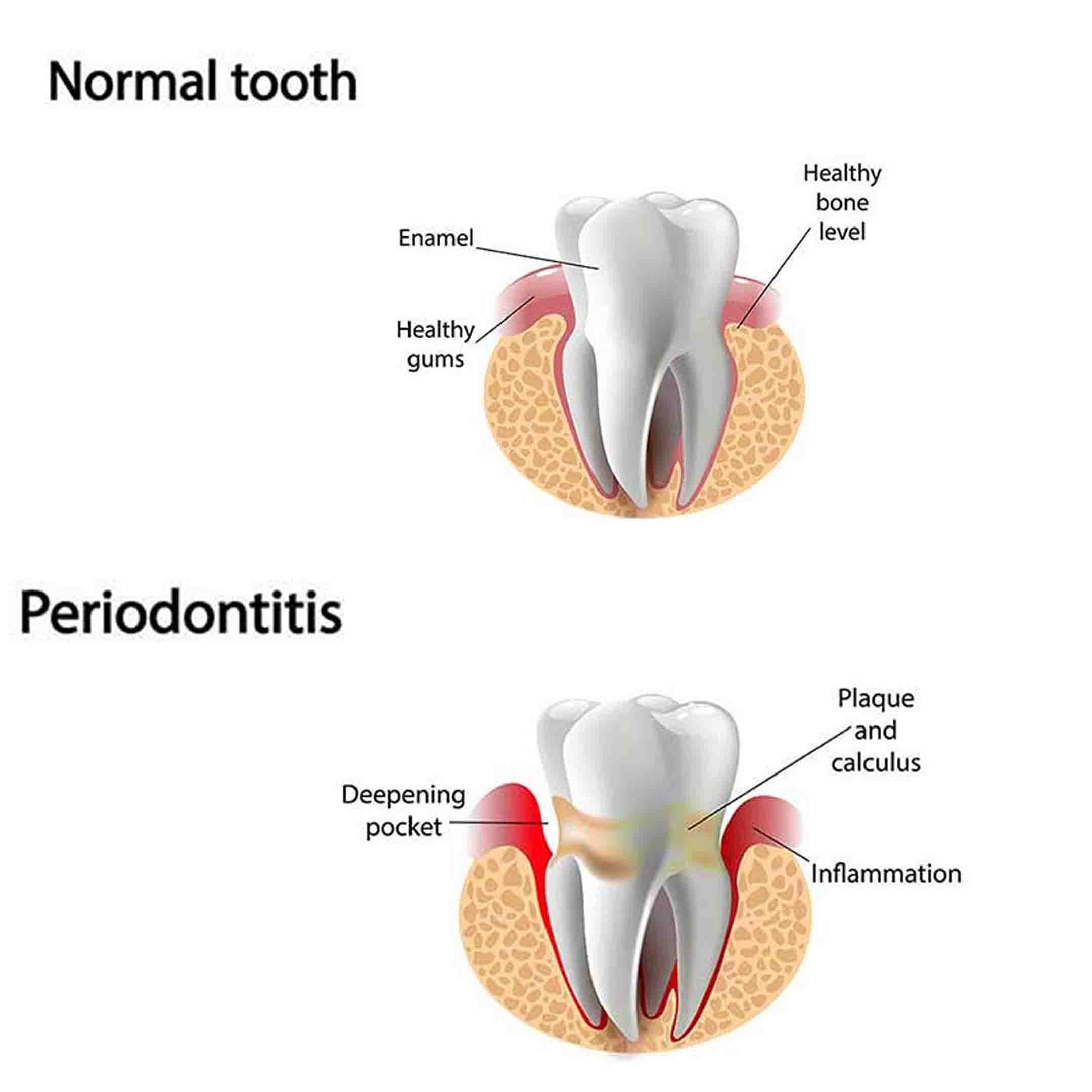
It is also called 'Periodontal disease' that impacts the tissues neighboring and supporting the teeth. It mostly starts with redness, burning, swelling, and bleeding of the gums called gingivitis. If left untouched, it can lead to periodontitis, where the infection extends to the bone and other supporting areas or sites, which may cause tooth loss. Poor or bad oral hygiene, bacteria in dental brass, and specific risk elements may take part in the formation of gum disease. Routine checkups and good oral hygiene care are compulsory for the prevention and early-stage recognition.
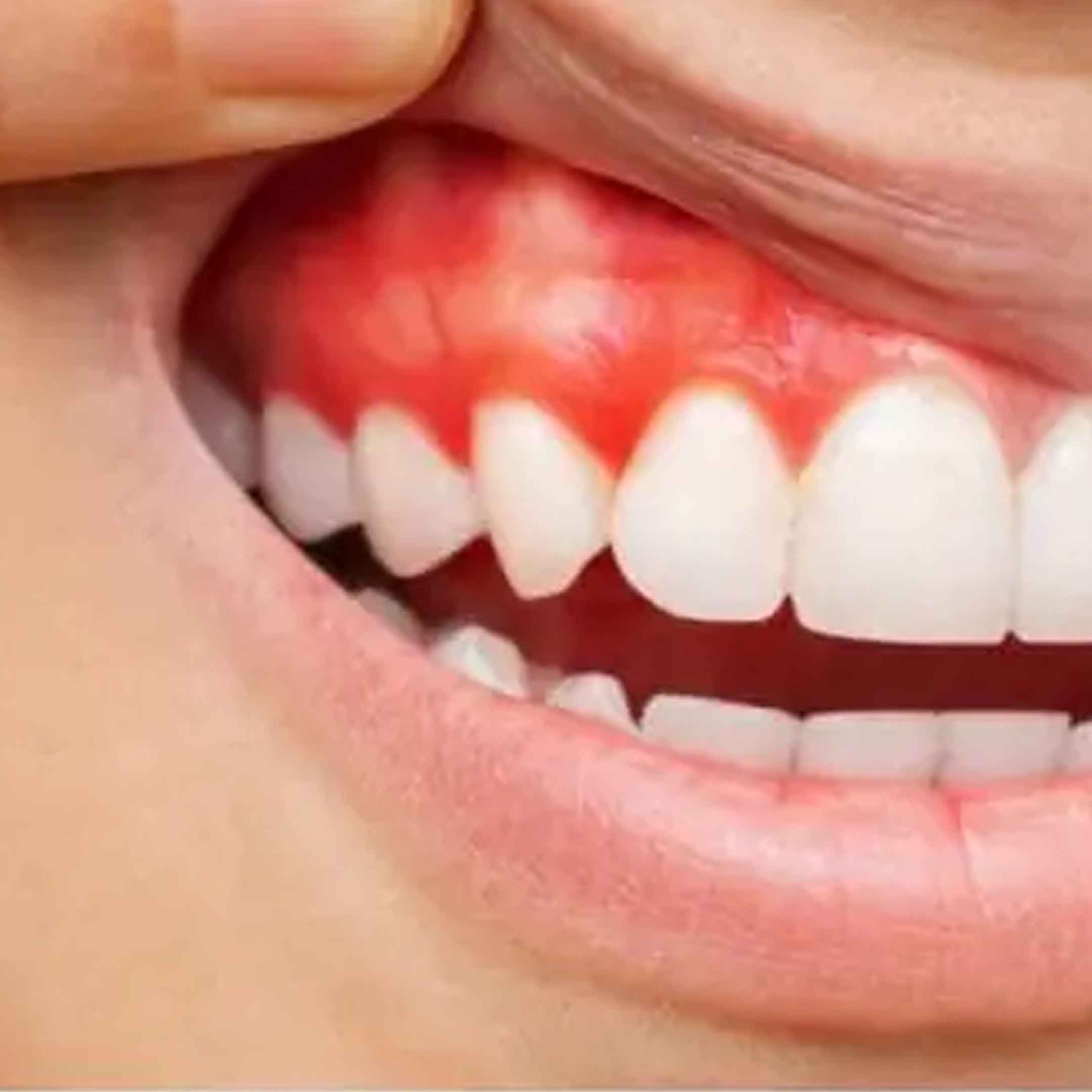
There are many symptoms of periodontitis (advanced gum disease), but here we will elaborate on the main ones, which include;
Swelling, redness, or burning may be experienced in gums.
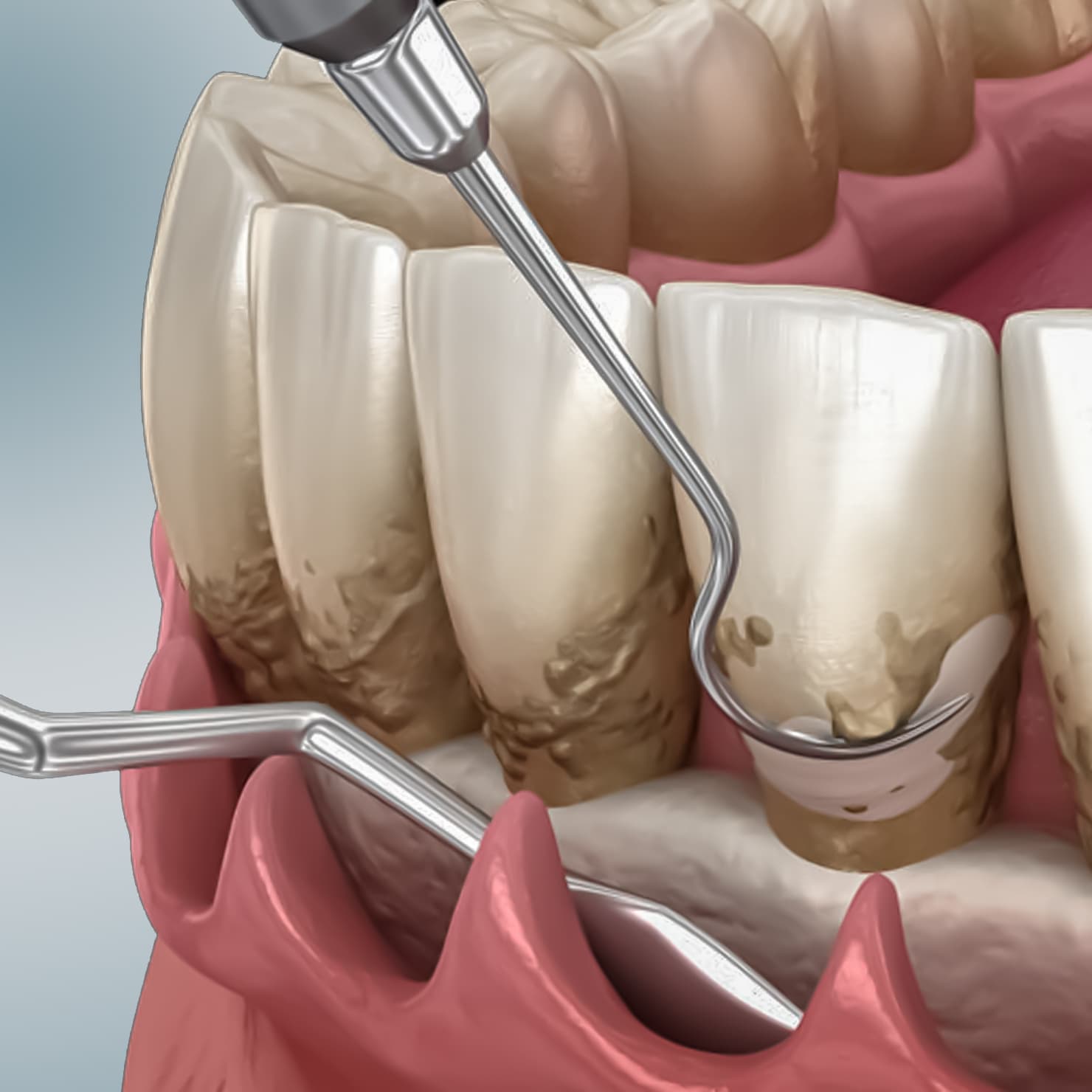
By eliminating plaque and tartar buildup from the teeth and roots, dental procedures called teeth scaling & root planing are used to treat gum disease, also known as periodontal disease or deep cleaning.
Both teeth scaling and root planing are frequently performed as part of a full gum disease treatment regimen, sometimes known as periodontal therapy. These procedures are critical for maintaining dental health, preventing future gum disorders, and conserving the supporting components of the teeth.
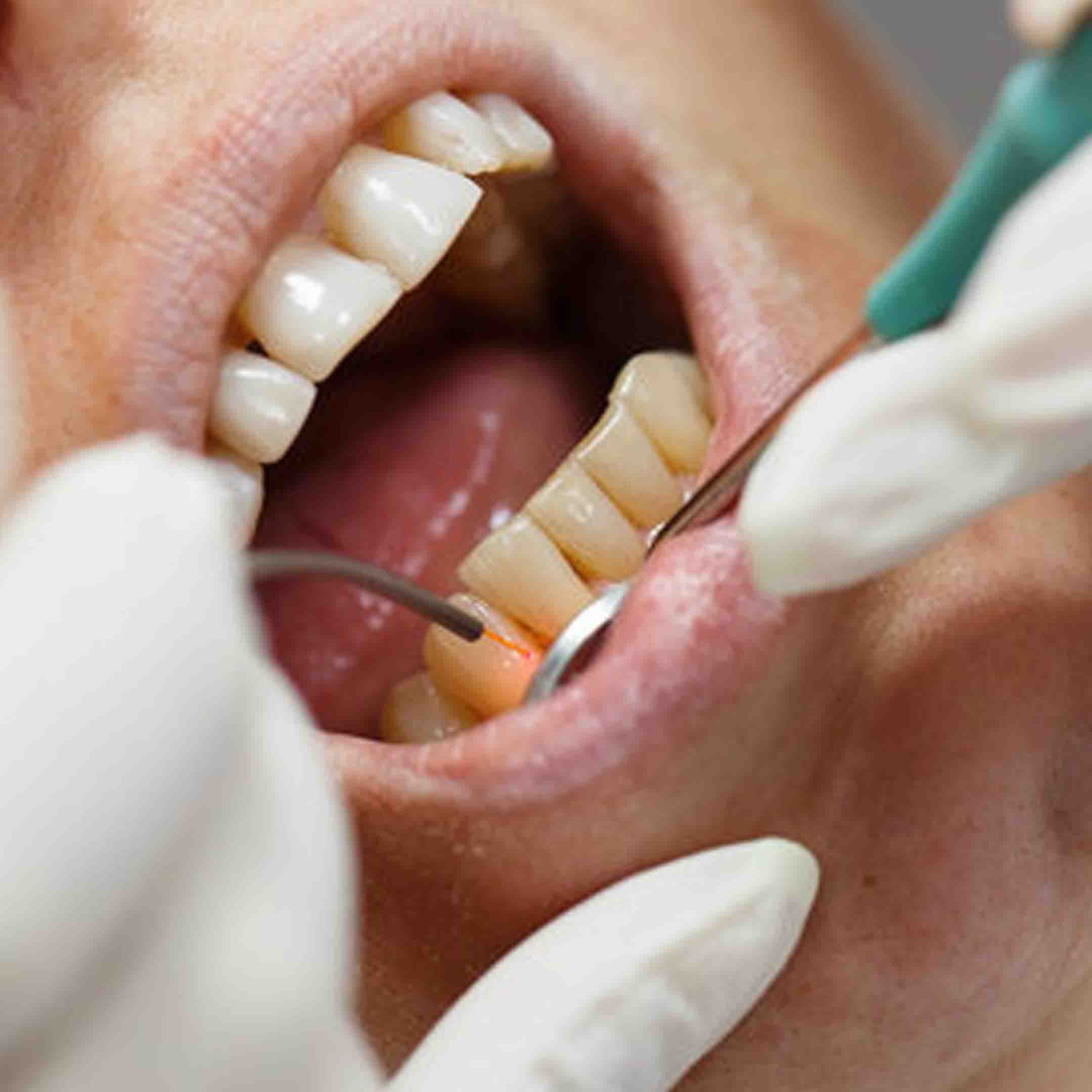
Laser gum therapy, also known as 'Laser Periodontal Surgery' or 'Laser Gum Therapy' uses laser technology to treat or check out different or specific gum and periodontal conditions.
It can be a substitute or replacement for traditional gum surgery, giving you a large chain of potential benefits such as minimizing pain and faster recovery. In this treatment, laser therapy is given to remove inflamed gum tissue and help to manage the destruction of bacteria. Anyhow, its appropriateness depends on the certain diagnosis, and consultation with a skilled and experienced laser periodontist is important for personalized treatment plans.
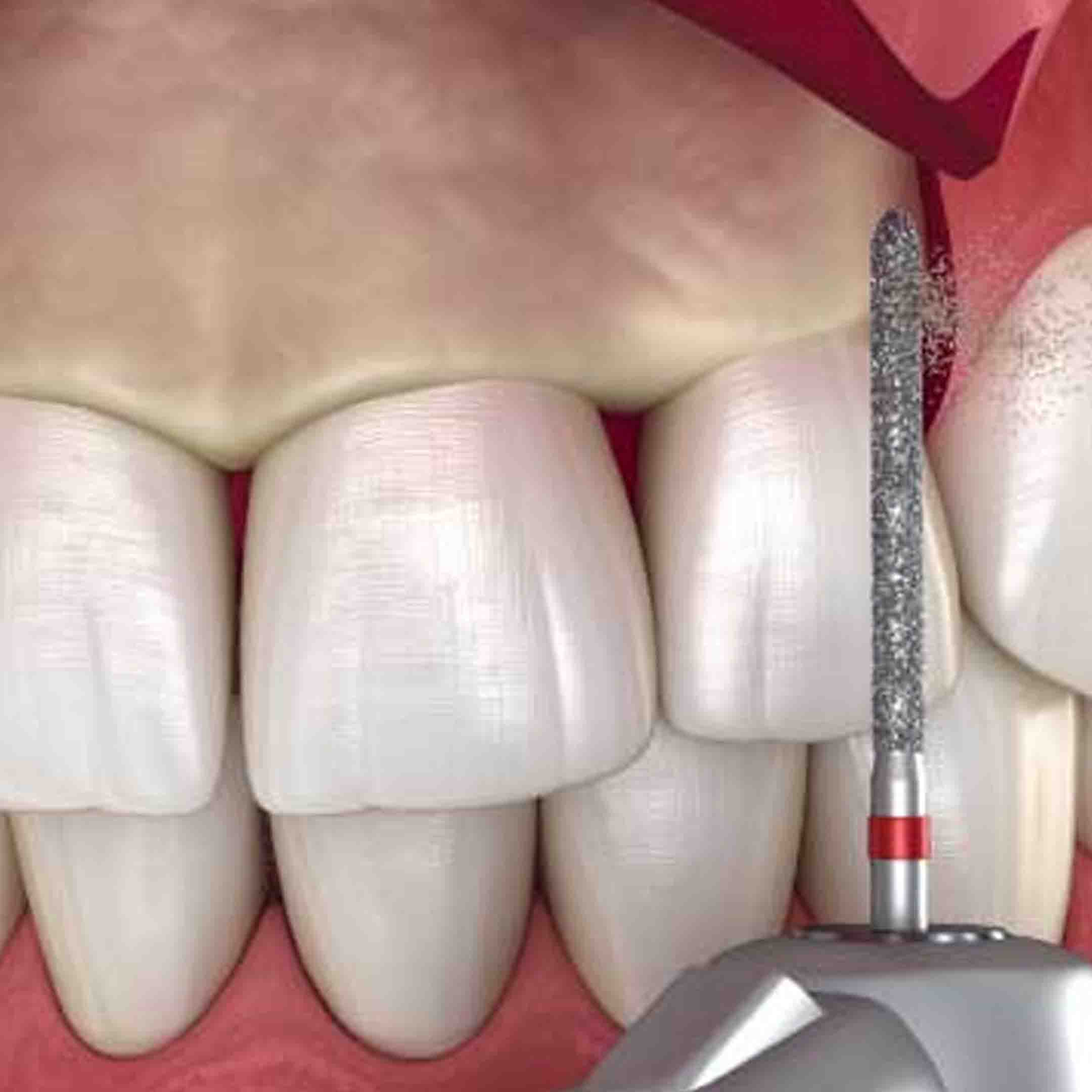
Gummy smile surgery, which is also called Gingivectomy or Crown Lengthening Surgery, is a dental procedure done by minimizing the amount of gum tissue that is visible and seen when smiling. During the treatment, extra amounts of gum tissues are surgically extracted from around the teeth to reveal more of the tooth anatomy and generate a perfect smile. This process may also revolve around modifying the underlying bone if compulsory to get the required aesthetic output. Gummy smile treatment is generally done by local anesthesia to ensure the patient's comfort and recovery time depending upon the severity of the surgery.
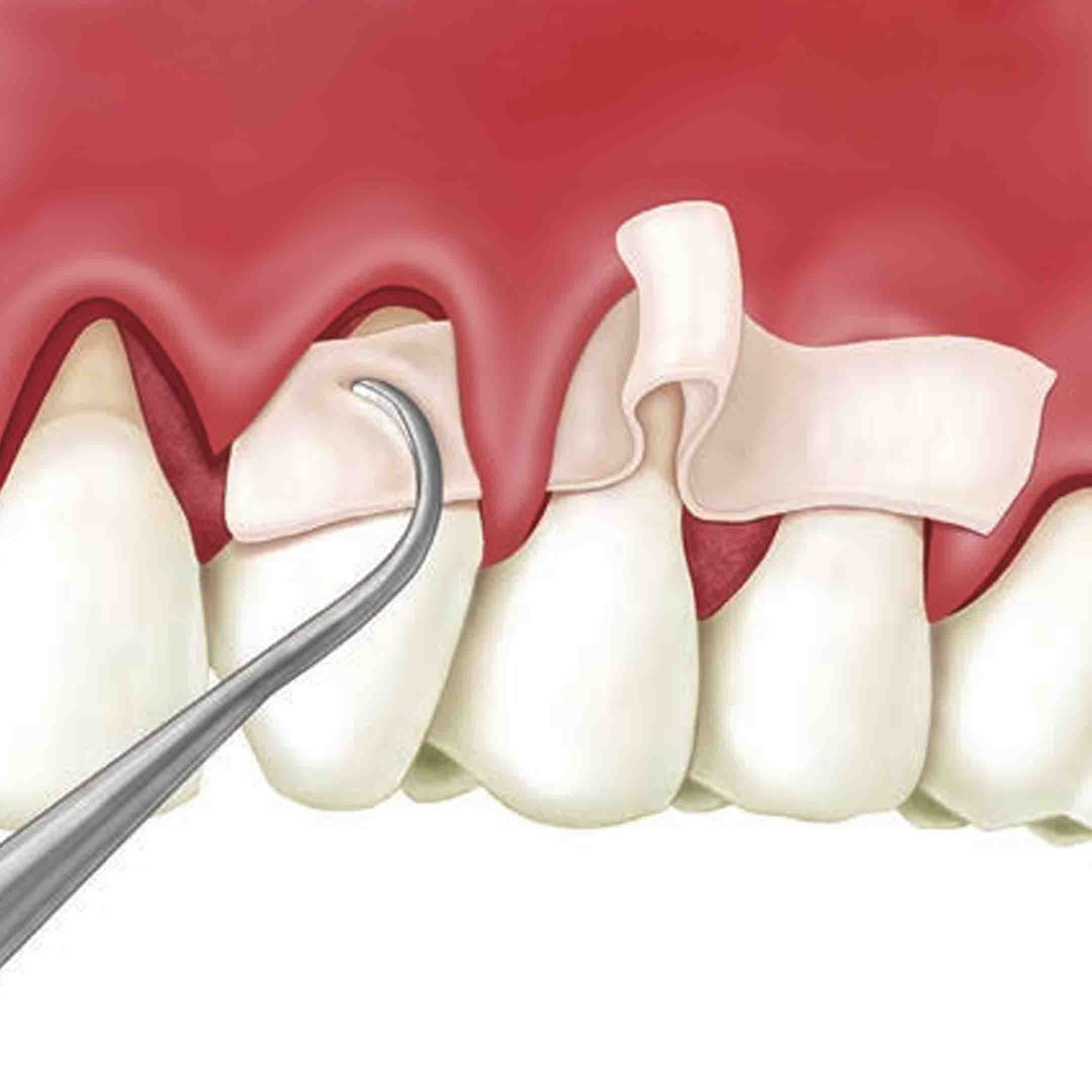
The term Alloderm means a specific type of tissue join used in many clinical and dental procedures, especially periodontal surgery, gum uniting, dental inserts, and especially in gum disease treatments. Alloderm is made by taking the human tissue that is donated, and then processing it to remove the cells and the allergens. This is then followed by the phase of the collagen and other extracellular grid modulators. Alloderm is a biocompatible material that is designed to be implanted to thicken, stretch, or heal delicate tissue in areas with less gum tissue or insufficient bone support. Alloderm provides extra support and increases the growth of sensitive tissue development, which keeps the development and aesthetics of dental treatments.
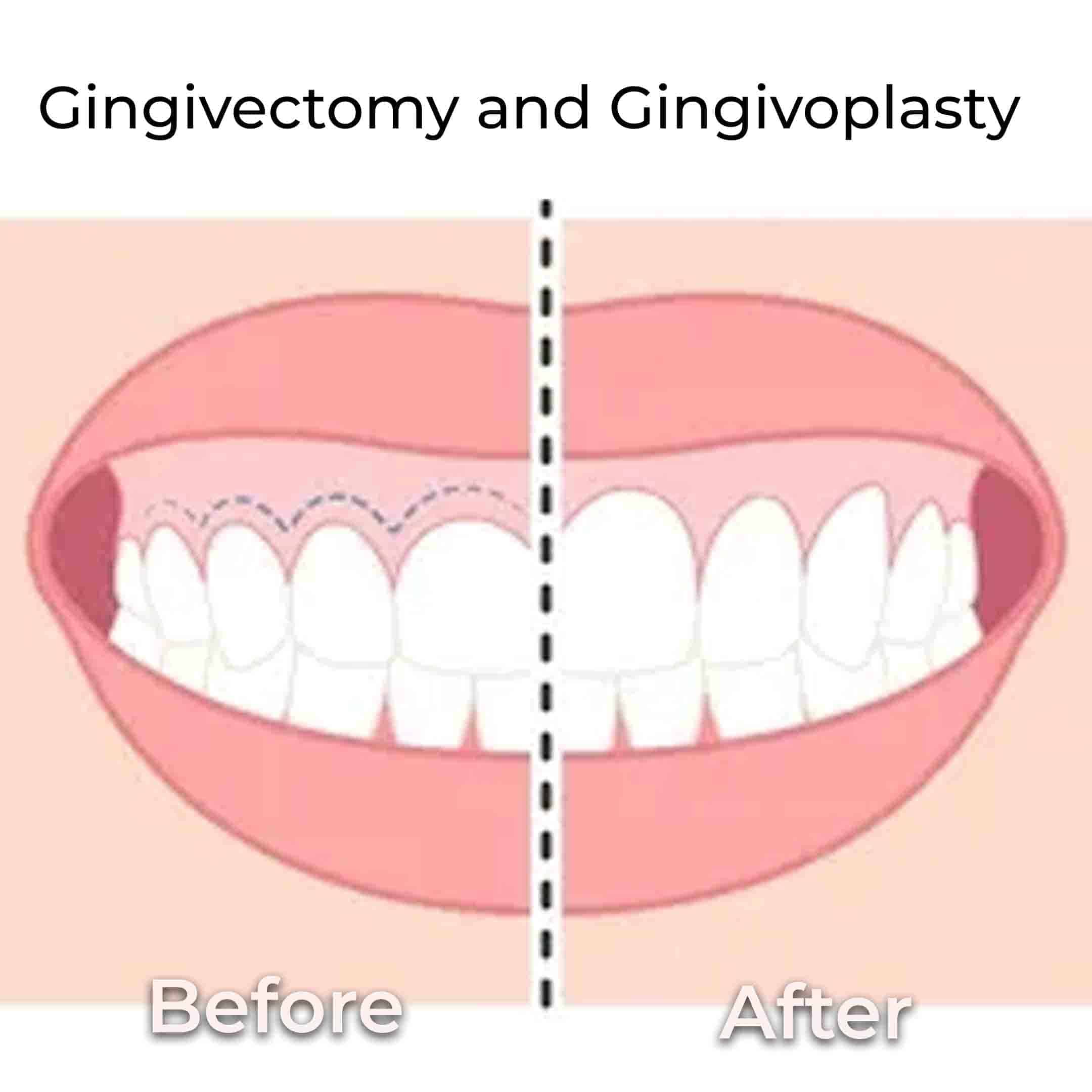
Gum tissue issues can be treated with periodontitis gingivectomy and gingivoplasty. The goal of the gingivectomy procedure is to get rid of excess gum tissue. When gums swell or inflame, they create pockets around teeth, making them hard to clean. In contrast, periodontitis gingivoplasty reshapes gum tissue to improve aesthetics or even out gum lines.
Both procedures can be performed with lasers or scalpels. In addition to removing plaque, preventing gum disease progression, lifting gums, and creating a symmetrical smile, they can improve oral health. Your dentist will determine the best procedure for you, or a combination of both according to your dental needs. If you are confused about the treatment you want, get the best advice from our experienced periodontists. You can book a free consultation to know more about your gum disease treatment or you can Call Us Now
This is a cleaning for people who have had gum disease or have received gum treatment. It varies from ordinary dental cleaning in that it includes the pockets that contain the teeth and gums, as well as plaque and tartar that a toothbrush cannot remove. Periodontal maintenance cleaning helps to minimize the regrowth of the infection and maintain your oral health.
It demands regular examinations since gum disease can progress slowly and with minimal discomfort. Leading and important to a beautiful smile, we offer periodontal maintenance with long-term dental relationships at a reasonable cost. The frequency of periodontal maintenance appointments will vary depending on the severity of your gum disease. People with mild gum disease may only need periodontal maintenance every six months, while people with more severe gum disease may need it more frequently, such as every three months.
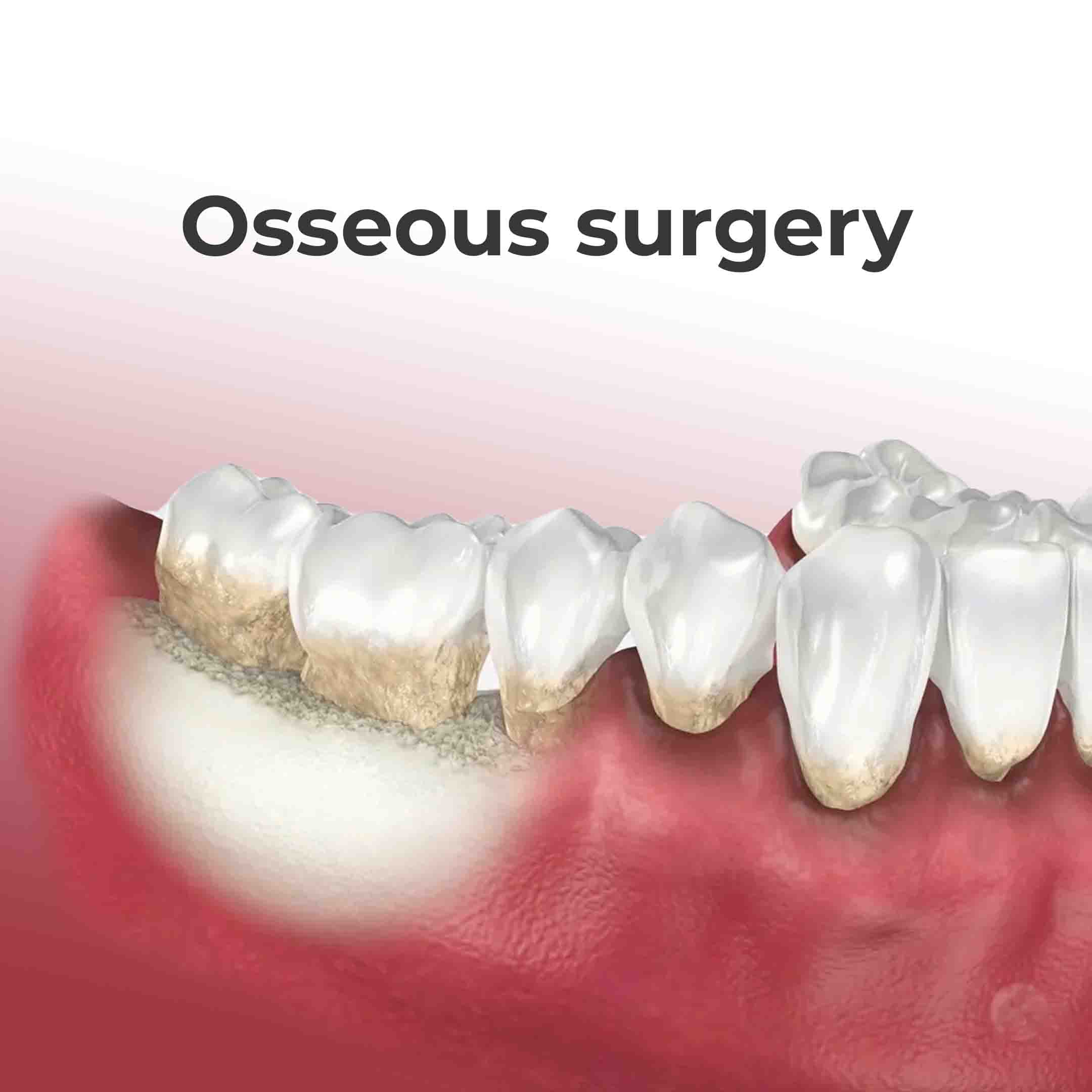
Osteosynthesis is used to deal with serious gum disease by cleaning out the infection, polishing the roots, and repairing the bones. You reduce the pocket length, improve cleaning, and prevent further tissue loss by performing osseus surgery. Also, it promotes the regrowth of healthy gums and enhances your physical appearance as well when some non-surgical procedures don't work well. However, the variation for any particular plan will be a unique approach.
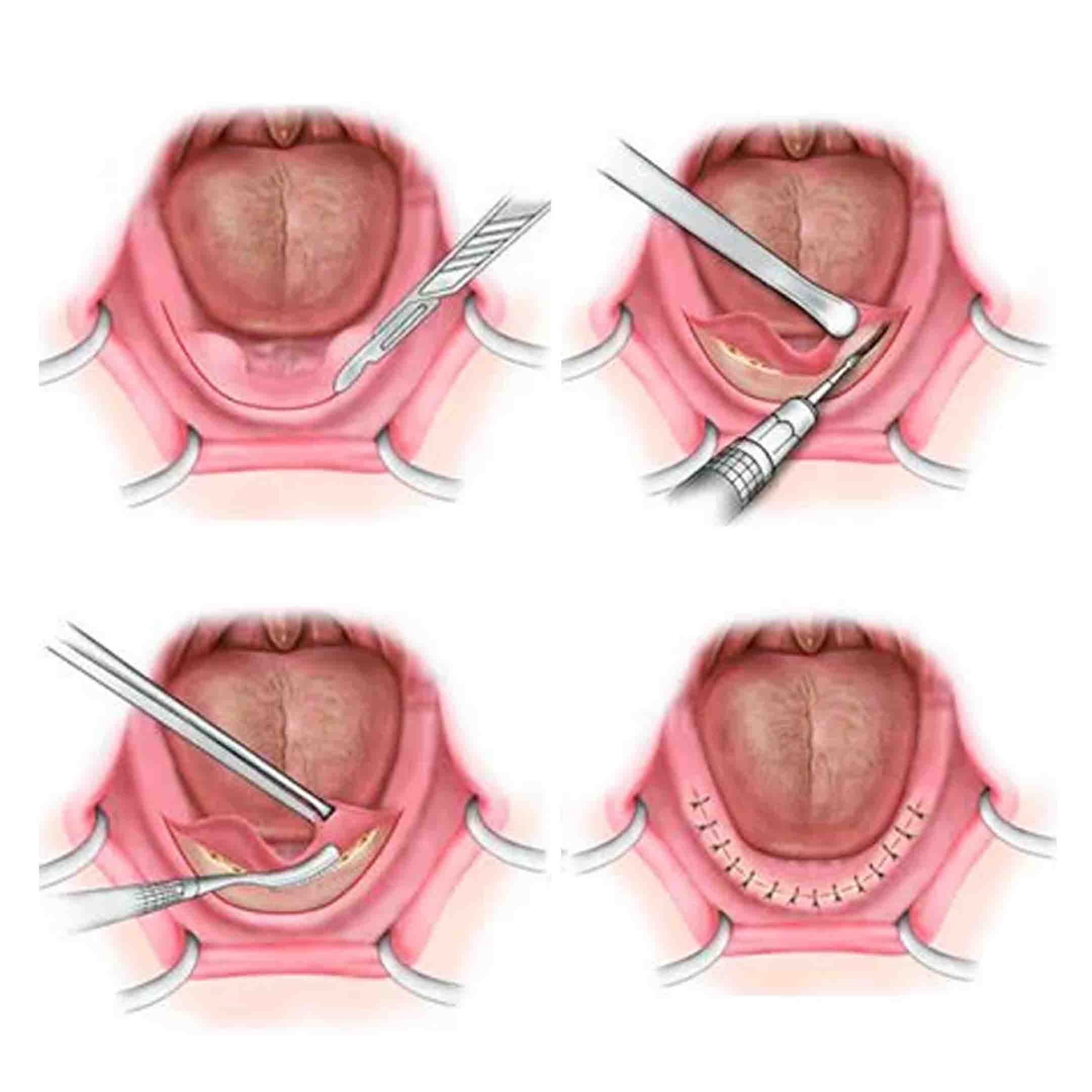
If gum disease is threatening your smile and your health, we provide you with dental osseous surgery to fight infection, rebuild bone, and save your teeth. The surgery involves reshaping bone around the teeth, sometimes with bone grafts. There are two main types: traditional, with scalpels and sutures, and laser-assisted, using laser energy. While some swelling and discomfort are expected after surgery, it usually heals within weeks.
Mandibular tori removal is the dental procedure for removing non-disturbing bone growths in the mouth's upper or lower jaws. These growths are very rare and often don't have any symptoms, but they grow and create a problem for the use of dental appliances, that’s why tori removal surgery is important to remove them.
It is done with local anesthesia so that you won't feel any pain. They have multiple advantages such as improving oral health during eating and speaking, and a better fit for dental appliances such as dentures. Our best periodontists provide tori bone removal treatment to their patients that does not take any time or effort. Not everyone with tori needs removal. In most cases, small tori that don't cause any problems don't require surgery. However, a dentist or oral surgeon can recommend removal if the tori are causing issues.
Gum disease is mainly caused by the expansion of plaque, a sticky form of bacteria over the teeth and gums. The bacteria in plaque grow toxins that can irritate or damage the gum tissues, leading to puffiness and the first stage of gum disease known as gingivitis. Different factors can take part in the creation and advancement of treating gum disease:
Improper or irregular brushing and flossing permit plaque to form on teeth, which tends to cause gingivitis and, if untouched, progress to the next stage, which is periodontitis.
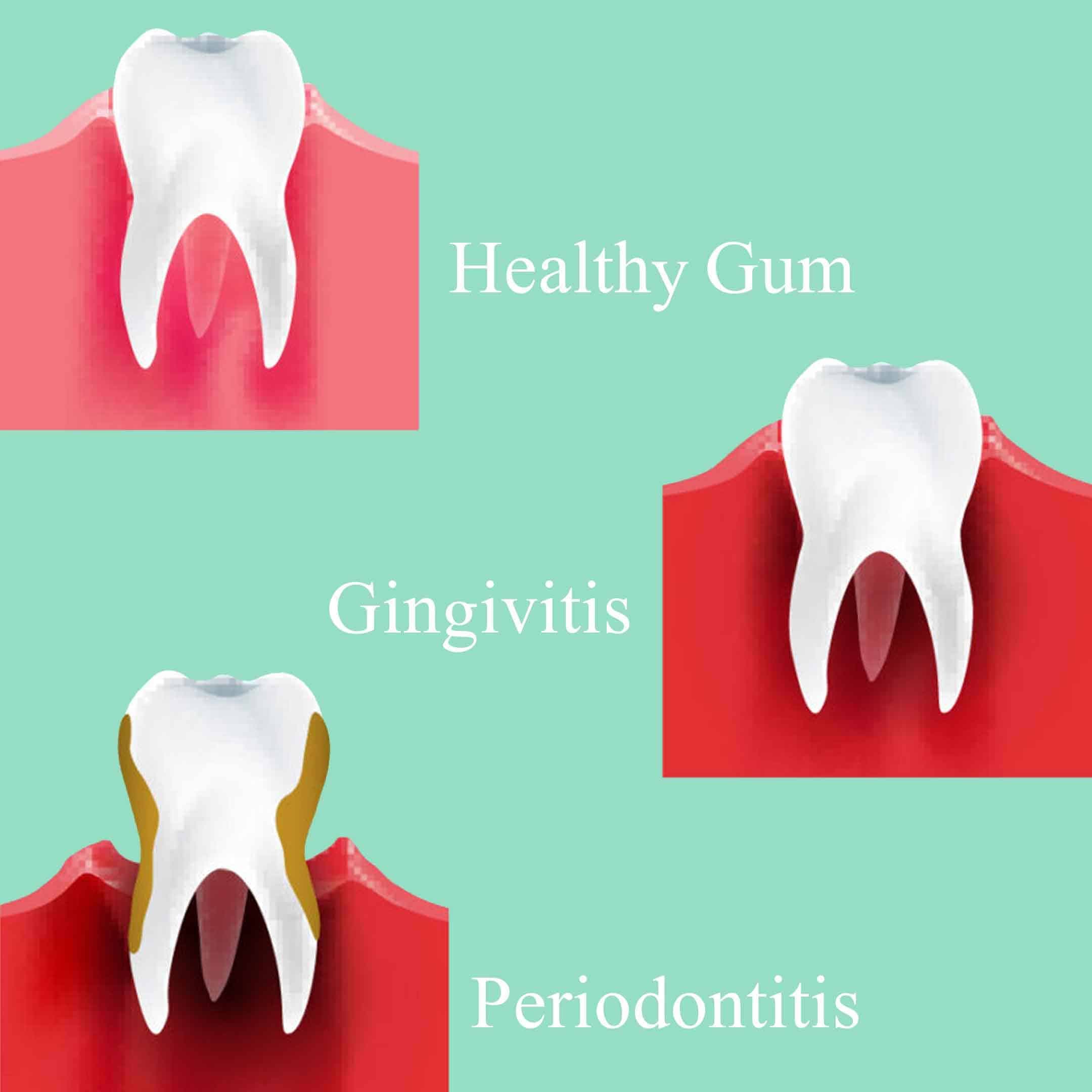
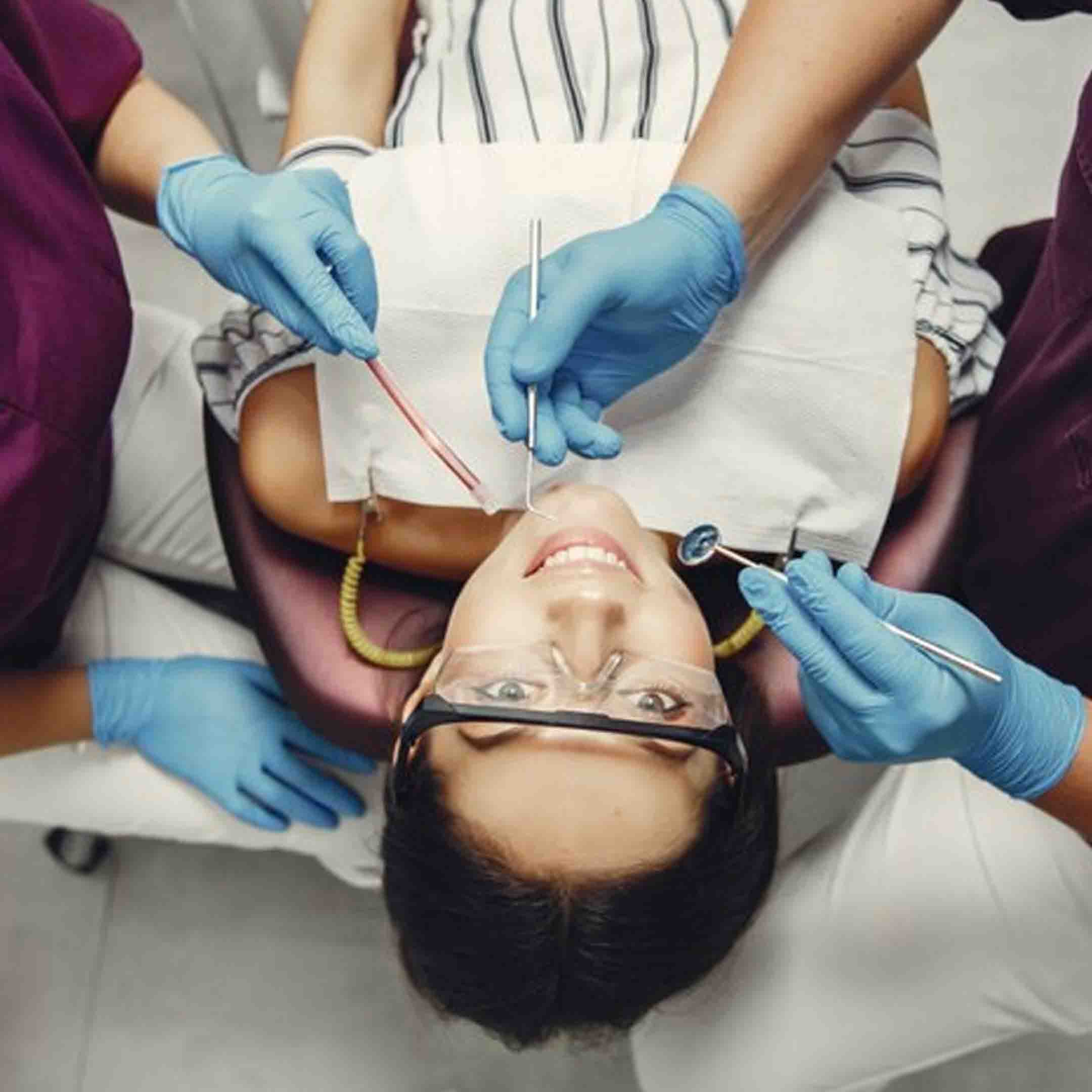
The treatment of periodontal disease revolves around different approaches that can help you manage swelling, control infection, and protect against further damage to the gums and supporting structures/functioning of the teeth. Here, we will discuss the common treatments for gum disease, which are as follows;
This is a surgical procedure in which a flap surgery or pocket reduction is used to deduct the pocket depth and get rid of the areas where bacteria can form.
The cost of gum disease treatment depends upon its fierceness, type of treatment, and geographical location of dental practice. Its early stages may be less expensive, while advanced phases can involve higher costs. Dental insurance may help you out in this matter, and payment plans could be available, too. Proper discussion with your gum disease dentist about specific costs and payment helps in this scenario, too.
Routine checkups and quick treatment can help to manage the expenses. The best way to get an accurate idea of the cost of gum disease treatment is to consult with a dentist or periodontist. They can assess your situation and provide a personalized treatment plan with associated costs.

If you have the first stage of gum disease, gingivitis, you can usually expect to heal and recover within 14 days of getting a deep cleaning, assuming you take your prescribed antibiotics and maintain proper oral hygiene by brushing and flossing thoroughly.
You can't cure it because once you lose structural support around your teeth, you don't usually get all of it back. However, periodontal treatment can reduce infection and rebuild your bone and tissue to some degree. Another factor is genetics.
Yes, you can live a long life with periodontal disease if you manage the condition with treatment and guidance from your dentist. As with any chronic condition, the earlier you seek therapy, the better your chances are of curing gum disease and improving your quality of life.






Copyright © 2024 Design & Developed by HARAZCo. Ltd